


Marmorite: Portugal’s Original Terrazzo
Some materials are tied to how a company began. Marmorite is one of ours.
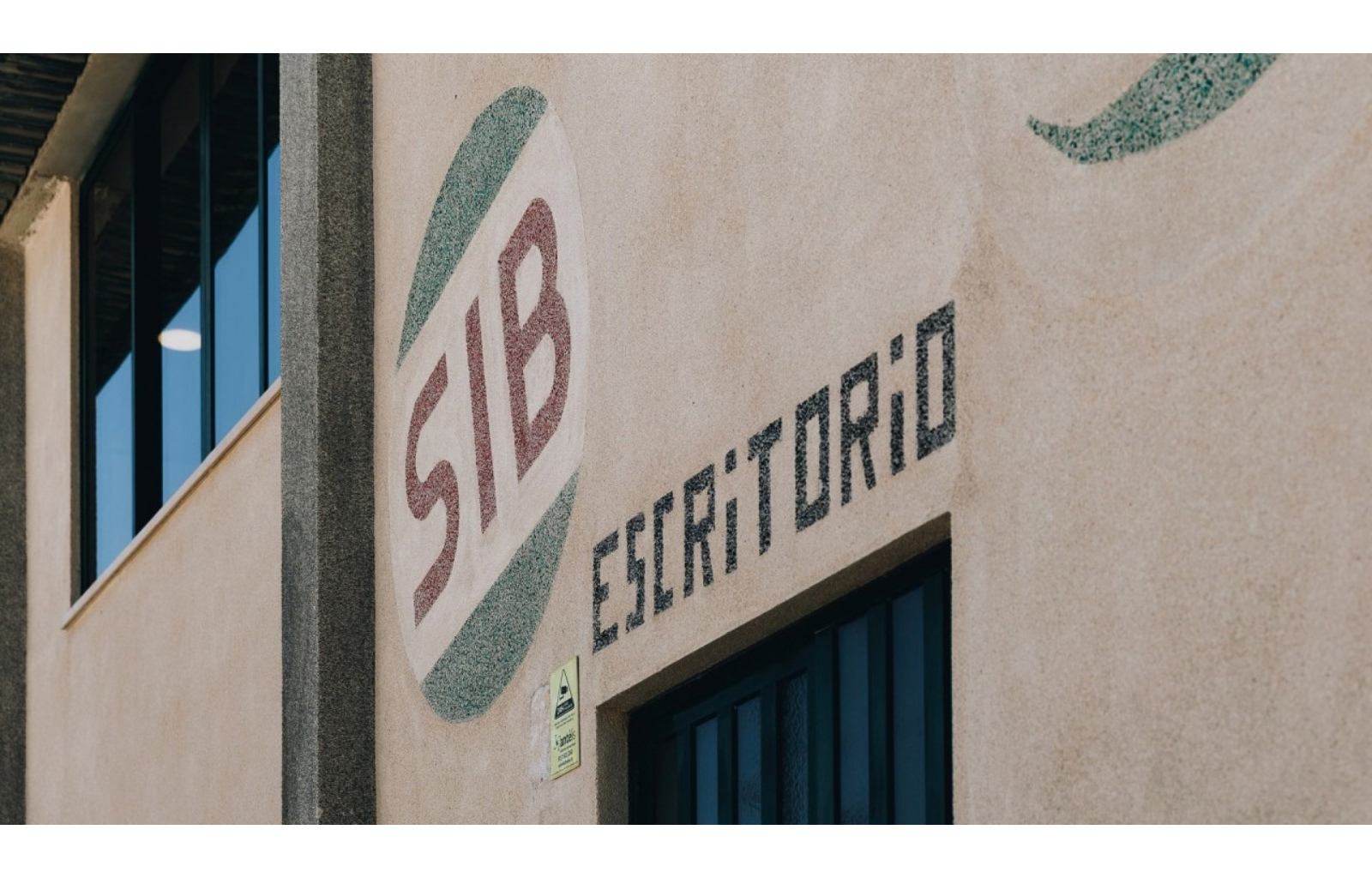
It’s Portugal’s traditional terrazzo: marble and stone aggregates bound in cement, then polished smooth on floors or left textured on walls, with the stone standing proud for a finish no machine quite imitates.
From our earliest days, our aggregates were sold for Marmorite work, the stone chips applicators mixed on site to make their floors and walls. We still supply them to our installer network, and we still use Marmorite ourselves.
Mineral, locally sourced and built to last for generations.
—————–
On floors, Marmorite is often ground and polished to expose the stone; on walls it’s often left textured, with the aggregates standing proud of the cement.
How it’s made
Three ingredients: cement, sand and stone aggregates. The aggregates define the look. Their colour, size and density set the whole character of the finish, from fine and even to bold and chunky.
Once cured, the surface goes one of two ways. On floors, it’s ground and polished into the smooth, speckled terrazzo finish familiar across Portuguese interiors. On walls, it’s usually left with the aggregates exposed, giving a textured surface with real depth that’s hard to imitate.
Built to last
Terrazzo earned its reputation by surviving. Marmorite is dense, durable and resistant to heavy wear, which is why it ended up in entrance halls, stairwells and public buildings. Many of those floors are still in use decades on.
It’s also a mineral material, made largely from local stone and built to endure, which makes it a sound long-term choice. A surface that lasts for decades is one you don’t have to replace.
Where it belongs
Marmorite suits projects that value texture and a natural, hand-finished look: residential floors and feature walls, hospitality interiors, and heritage spaces.
Talk to us about Marmorite aggregates and our terrazzo systems: geral@sibland.pt